

Photo by MTV International , licensed under CC BY 3.0 · Wikimedia Commons
Rank #103
Louis Tomlinson
From Wikipedia
Louis William Tomlinson is an English singer-songwriter. Born and raised in Doncaster, England, Tomlinson auditioned for British singing competition The X Factor as a solo artist in 2010, where he and four rejected solo contestants were placed into a group which became the British-Irish band One Direction, one of the best-selling boy bands of all time.
Discography & Previews
Browse through and click an album to open and play 30-second previews streamed from Apple Music.

Faith in the Future
2022 · 14 tracks
- 1 The Greatest ↗ 3:01
- 2 Written All Over Your Face ↗ 2:41
- 3 Bigger Than Me ↗ 3:41
- 4 Lucky Again ↗ 3:28
- 5 Face the Music ↗ 2:49
- 6 Chicago ↗ 3:52
- 7 Common People ↗ 2:59
- 8 Out of My System ↗ 2:18
- 9 Angels Fly ↗ 3:37
- 10 Saturdays ↗ 4:25
- 11 Silver Tongues ↗ 3:25
- 12 She Is Beauty We Are World Class ↗ 3:39
- 13 All This Time ↗ 2:56
- 14 That's the Way Love Goes ↗ 2:31

-
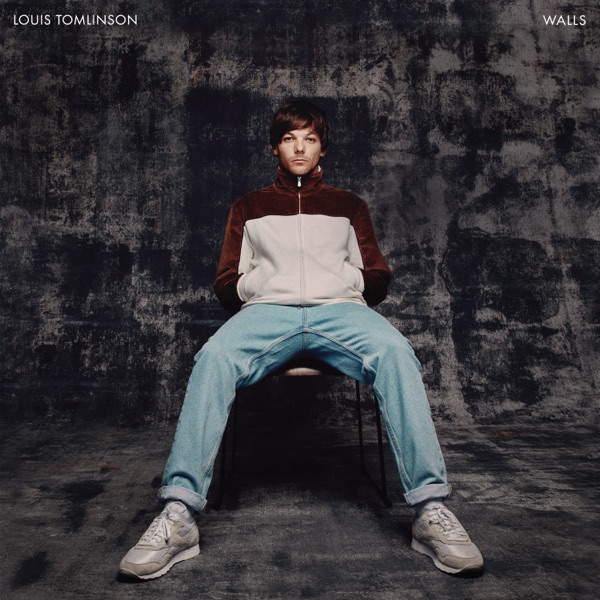
 WallsLouis Tomlinson202012 tracks
 -
 Faith in the FutureLouis Tomlinson202214 tracks
 -
 How Did I Get Here?Louis Tomlinson202612 tracks
Deep Dive
Overview
Louis Tomlinson is an English singer-songwriter born in Doncaster in 1991 whose career trajectory defies the typical arc of pop stardom. Originally auditioned as a solo contestant on The X Factor in 2010, Tomlinson was instead placed into a group with four other rejected hopefuls—a casting decision that would produce One Direction, one of the best-selling boy bands of all time. After the group’s initial hiatus in 2016, Tomlinson pursued a solo career spanning pop rock, indie rock, and alternative rock, establishing himself as a distinctive artist in his own right.
Formation Story
Raised in Doncaster, a market town in South Yorkshire, England, Tomlinson grew up in the 1990s within the formative musical landscape of British and Irish rock and pop. His early exposure to music and performance would shape his eventual entry into the music industry. In 2010, at age seventeen, Tomlinson auditioned for the seventh series of The X Factor as a solo artist, seeking to establish himself in a highly competitive entertainment environment. Rather than advancing through the traditional competition format, he was grouped with four other solo contestants who had not progressed individually: Harry Styles, Niall Horan, Liam Payne, and Zayn Malik. This unconventional assembly became One Direction, a five-piece band that would dominate the global pop landscape for the next six years.
Breakthrough Moment
While Tomlinson’s solo breakthrough came later, his initial prominence arrived through One Direction’s rapid ascent in the early 2010s. The band’s debut album was released in 2011, and within months they had achieved international chart success. One Direction’s albums consistently topped charts across the United Kingdom, Ireland, and North America, establishing a devoted fanbase and cultural footprint that extended well beyond typical boy-band demographics. This period—from 2010 through 2015—provided Tomlinson with both a global platform and a comprehensive apprenticeship in recording, touring, and live performance at the highest commercial level.
Following the band’s hiatus announcement in 2016, Tomlinson transitioned to solo work with a clearer artistic vision. His first solo single, released in 2017, signaled an intentional shift toward a more guitar-driven pop-rock sound distinct from One Direction’s melodic pop foundation. This career move required him to establish credibility as a songwriter and solo performer independent of his group identity—a challenge successfully met through touring and strategic album releases.
Peak Era
Tomlinson’s sustained solo output began with the release of his album Walls in 2020, a pop-rock-inflected record that demonstrated his ability to craft cohesive material outside the boy-band framework. The album marked a consolidation of his emerging solo aesthetic and solidified a fanbase willing to follow him beyond One Direction nostalgia. In 2022, he released Faith in the Future, further refining his indie-rock and alternative-rock sensibilities. These back-to-back releases across 2020 and 2022 established the 2020s as his primary creative period as a solo artist, with sustained touring and promotional activity sustaining his presence in the pop-rock sphere.
Musical Style
Tomlinson’s solo work operates primarily within pop rock and indie rock idioms, distinguishing itself through lean production and emphasis on songwriting authenticity over the layered synthetic textures common in contemporary pop. His vocal delivery—understated, conversational, and emotionally direct—contrasts sharply with the melodically elaborate harmonies that defined One Direction’s sound. Instrumentation favors guitars, drums, and bass over programmed beats, aligning his solo work with alternative and indie-rock lineage rather than the electronic-influenced pop of his group years. Thematically, his songwriting engages with personal narrative, relationships, and introspection, moving away from the aspirational, youth-oriented messaging typical of boy-band material.
Major Albums
Walls (2020)
Tomlinson’s debut solo album announced a deliberate artistic recalibration toward pop rock and indie sensibilities, featuring guitar-driven production and introspective songwriting that established his identity separate from One Direction.
Faith in the Future (2022)
Following two years of solo touring and songwriting development, this album deepened his indie-rock and alternative-rock influences while maintaining the accessibility and melodic sensibility established on Walls.
How Did I Get Here? (2026)
Tomlinson’s third solo studio album continues his evolution as a singer-songwriter working within pop-rock and alternative frameworks.
Signature Songs
- “Just Hold On” (2016) — Tomlinson’s early solo single that signaled his transition from One Direction to independent artist status.
- “Back to You” (2017) — A reflective pop-rock track that demonstrated his capability as a solo songwriter and vocalist.
- “Kill My Mind” (2019) — Showcased his developing alternative-rock sensibility prior to the Walls album release.
Influence on Rock
Tomlinson’s solo career participates in a broader post-2010s phenomenon: the successful translation of boy-band membership into independent rock credibility. By deliberately repositioning himself within indie rock and alternative-rock aesthetics rather than pursuing commercial pop continuation, he contributed to a cultural narrative wherein former mainstream pop performers could achieve artistic legitimacy through genre pivot. His work sits within contemporary pop-rock practice that emphasizes guitar-based production and emotional authenticity over synthetic polish—a sensibility that has proven resilient across the 2020s.
Legacy
Louis Tomlinson’s legacy operates on two distinct levels: as a member of One Direction, arguably the defining boy band of the 2010s with sustained streaming presence and generational cultural footprint; and as a solo artist establishing longevity and creative autonomy beyond that group identity. His post-2016 solo work demonstrates that former members of massive commercial acts can transition into sustainable independent careers within rock and alternative frameworks. Tomlinson remains active as a performer and recording artist with ongoing tour dates and album releases sustaining his presence in contemporary pop rock.
Fun Facts
- Tomlinson was born in 1991, making him one of the youngest members of One Direction at the time of the band’s formation.
- Doncaster, his hometown in South Yorkshire, remains publicly important to his identity despite his emergence into global celebrity at age seventeen.
- The initial assembly of One Direction on The X Factor represented an unprecedented conversion of five rejected solo contestants into a commercially dominant group, reshaping British television’s approach to music competition formats.
- His post-One Direction career timing coincided with broader industry-wide conversations about masculinity, vulnerability, and emotional authenticity in rock and pop performance.