

Photo by Martin Schumann / Wikipedia , licensed under CC BY-SA 4.0 · Wikimedia Commons
Rank #274
Conor Oberst
From Wikipedia
Conor Mullen Oberst is an American singer-songwriter best known for his work in Bright Eyes. He has also played in several other bands, including Desaparecidos, the Faint, Commander Venus, Park Ave., Conor Oberst and the Mystic Valley Band, Monsters of Folk, and Better Oblivion Community Center. Oberst was named the Best Songwriter of 2008 by Rolling Stone magazine.
Discography & Previews
Browse through and click an album to open and play 30-second previews streamed from Apple Music.

Conor Oberst
2008 · 12 tracks
- 1 Cape Canaveral ↗ 4:04
- 2 Sausalito ↗ 3:10
- 3 Get-Well-Cards ↗ 3:34
- 4 Lenders in the Temple ↗ 4:35
- 5 Danny Callahan ↗ 3:59
- 6 I Don't Want to Die (In the Hospital) ↗ 3:33
- 7 Eagle on a Pole ↗ 4:43
- 8 NYC-Gone, Gone ↗ 1:12
- 9 Moab ↗ 3:37
- 10 Valle Místico (Ruben's Song) ↗ 0:50
- 11 Souled Out!!! ↗ 3:32
- 12 Milk Thistle ↗ 5:21
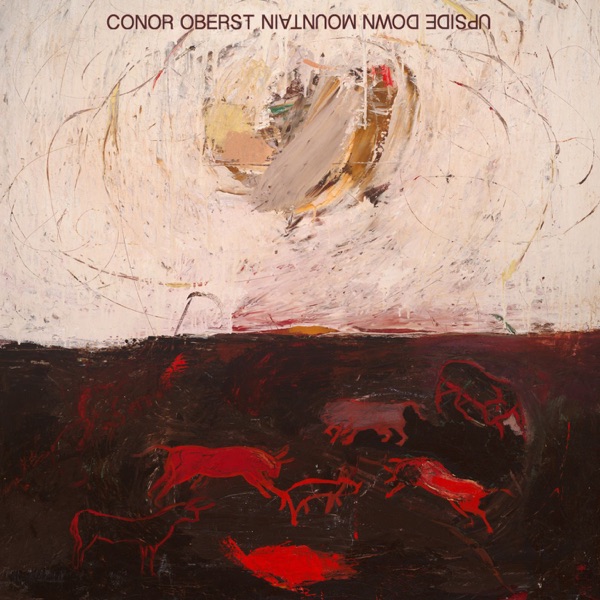
Upside Down Mountain
2014 · 13 tracks
- 1 Time Forgot ↗ 4:36
- 2 Zigzagging Toward the Light ↗ 4:05
- 3 Hundreds of Ways ↗ 4:28
- 4 Artifact #1 ↗ 4:25
- 5 Lonely at the Top ↗ 3:45
- 6 Enola Gay ↗ 2:24
- 7 Double Life ↗ 3:57
- 8 Kick ↗ 3:41
- 9 Night at Lake Unknown ↗ 4:17
- 10 You Are Your Mother's Child ↗ 3:49
- 11 Governor's Ball ↗ 4:21
- 12 Desert Island Questionnaire ↗ 5:41
- 13 Common Knowledge ↗ 4:59

Ruminations
2016 · 10 tracks

Salutations
2017 · 17 tracks
- 1 Too Late to Fixate ↗ 4:02
- 2 Gossamer Thin ↗ 3:35
- 3 Overdue ↗ 3:49
- 4 Afterthought ↗ 3:37
- 5 Next of Kin ↗ 3:44
- 6 Napalm ↗ 5:00
- 7 Mamah Borthwick (A Sketch) ↗ 4:17
- 8 Till St. Dymphna Kicks Us Out ↗ 4:02
- 9 Barbary Coast (Later) ↗ 4:30
- 10 Tachycardia ↗ 3:27
- 11 Empty Hotel by the Sea ↗ 4:25
- 12 Anytime Soon ↗ 2:55
- 13 Counting Sheep ↗ 3:29
- 14 Rain Follows the Plow ↗ 3:44
- 15 You All Loved Him Once ↗ 4:28
- 16 A Little Uncanny ↗ 4:57
- 17 Salutations ↗ 3:55
-
 Conor OberstConor Oberst200812 tracks
 -
 Upside Down MountainConor Oberst201413 tracks
 -
 RuminationsConor Oberst201610 tracks
 -
 SalutationsConor Oberst201717 tracks
Deep Dive
Overview
Conor Mullen Oberst stands as one of the most prolific and artistically restless singer-songwriters of contemporary indie rock. Born in 1980, he first emerged from Lincoln, Nebraska, with Bright Eyes—the project that would define a generation’s approach to confessional, emotionally direct indie music. Beyond that flagship band, Oberst has maintained a parallel career as a solo recording artist and a serial collaborator, joining and founding numerous projects across indie rock, alternative rock, and indie folk idioms. His influence extends across multiple scenes and a catalog spanning three decades.
Formation Story
Conor Oberst grew up in Lincoln, Nebraska, during the 1980s and 1990s, a region and era that shaped his sensibility toward independent music and DIY culture. The Midwest’s strong underground rock tradition—and Lincoln’s particular ethos of grassroots music-making—provided the foundation for Oberst’s earliest creative work. He began releasing recordings in the early 1990s under his own name, starting with the album Water in 1993 while still a teenager. These early solo records, including Here’s to Special Treatment (1994) and The Soundtrack to My Movie (1996), were primarily self-released or issued on small independent labels, establishing Oberst as a prolific songwriter and multi-instrumentalist before founding Bright Eyes and launching his other collaborative ventures.
Breakthrough Moment
While Oberst’s solo work and involvement with bands like Desaparecidos and the Faint built his underground reputation, his breakthrough to broader recognition came through Bright Eyes, particularly following the label partnership with Saddle Creek Records. This trajectory established him as a significant voice in indie rock during the 2000s. His continued solo practice, combined with his growing visibility as a bandleader and collaborator, ensured that Oberst’s name carried weight across multiple projects and audiences by the 2010s.
Peak Era
Oberst’s most creatively concentrated period as a solo artist came in the 2010s, when he released Upside Down Mountain (2014), Ruminations (2016), and Salutations (2017) in quick succession. This trilogy of albums demonstrated his sustained commitment to solo recording alongside his band work, showcasing evolution in production aesthetics and songwriting approach. The albums traced shifts in his artistic outlook and sonic palette, marking a period of significant creative output and continued relevance in indie rock discourse.
Musical Style
Oberst’s songwriting is defined by introspective, confessional lyricism combined with accessible melodic sensibilities. His guitar work ranges from fingerpicked folk arrangements to fuller, more produced indie rock settings, reflecting his dual lineage in singer-songwriter and alternative rock traditions. His vocal delivery—often characterized by a high-register, emotionally transparent approach—became a hallmark of 2000s indie rock’s emotional directness. Across his various projects, Oberst has demonstrated fluency in indie folk, emo, alternative rock, and indie rock proper, rarely confining himself to a single sonic approach. His production choices evolved from lo-fi bedroom recordings to more polished studio arrangements, yet maintained the emotional immediacy that defines his core artistic identity.
Major Albums
Water (1993)
Oberst’s debut solo album, recorded while he was a teenager, established the foundational template of his songwriting: intimate, guitar-driven compositions with confessional lyrics and folk-influenced instrumentation.
Here’s to Special Treatment (1994)
A follow-up that continued Oberst’s early solo trajectory, deepening his exploration of personal songwriting and demonstrating his prolific output during the early 1990s.
The Soundtrack to My Movie (1996)
Released while Oberst was in his mid-teens, this album cemented his reputation as a precocious songwriter and multi-instrumentalist working within the indie and alternative rock spheres.
Conor Oberst (2008)
Oberst’s self-titled solo album, released on Nonesuch Records, marked a significant career moment and represented his most high-profile solo release at that time, arriving amid his peak visibility through Bright Eyes.
Ruminations (2016)
A notable late-period solo work that showcased Oberst’s continued commitment to solo recording and his evolution as a songwriter in the 2010s.
Signature Songs
- “First Day of My Life” — A defining Bright Eyes ballad that became his most recognizable composition, showcasing his gift for intimate, emotionally direct songwriting.
- “Lua” — An emotionally intense folk-influenced track that exemplified Bright Eyes’ approach to vulnerability in indie rock.
- “Gold Mind” — A track demonstrating Oberst’s sustained solo career and his ability to craft memorable melodies within folk and indie frameworks.
Influence on Rock
Conor Oberst played a central role in shaping 2000s indie rock’s emotional vocabulary and its embrace of confessional, vulnerable songwriting. Through Bright Eyes and his prolific solo output, he helped legitimize emo and indie folk as serious artistic approaches within alternative rock. His influence extends across multiple indie rock and folk revival acts who emerged in the 2000s and 2010s, many of whom adopted his template of high-register vocals, fingerpicked guitars, and deeply personal lyricism. Oberst’s simultaneous work across multiple projects—from the post-punk revivalism of Desaparecidos to the electronic experimentation associated with the Faint—demonstrated that indie rock songwriting could accommodate genre pluralism without sacrificing artistic credibility.
Legacy
Conor Oberst’s legacy as a solo artist and multi-project collaborator remains significant within indie rock and alternative music. Rolling Stone’s 2008 designation of him as Best Songwriter of that year cemented his critical standing during his peak creative period. His catalog, spanning from 1993 to the present, represents one of indie rock’s most extensive bodies of work across multiple formats and collaborations. The sustained output and artistic restlessness that characterize his career—maintaining concurrent work as a solo artist, bandleader, and collaborator—have established him as a foundational figure in 21st-century American rock music. His influence continues to resonate through contemporary indie and alternative rock, where his approach to songwriting, production, and emotional transparency remains a touchstone.
Fun Facts
- Oberst founded Saddle Creek Records, his own independent label based in Lincoln, Nebraska, which became instrumental in shaping the Midwest indie rock scene and releasing work by numerous artists alongside his own.
- He co-founded Desaparecidos, a post-punk influenced band that represented a distinct sonic direction from Bright Eyes, demonstrating his range as a songwriter across genre boundaries.
- Oberst was also a member of the Faint and has collaborated in numerous other configurations, including Monsters of Folk and Better Oblivion Community Center, making him one of indie rock’s most active collaborators.
- Despite achieving recognition as one of indie rock’s defining voices, Oberst has maintained his base of operations in Lincoln, Nebraska, rather than relocating to a major music industry hub.